What is VPCS
Port Community System of Veneto
The VPCS (Port Community System of Veneto) is the Port Community System of the Port Authority of Northern Adriatic Sea. The VPCS platform digitalizes and simplifies the informatics flows of import and export operations. It is currently used by:
- Terminal operators
- Shippers
- Maritime Agencies
- Institutional Bodies
- Freight Forwarders
- Carriers
- Ship Forwarders
The system has been active since 1th January 2025, with initial functionality. It was acquired for reuse by the Port System Authority of the Northern Tyrrhenian Sea and will be progressively adapted to the needs of the Veneto ports.
An instrument capable of increasing the efficiency of port operations
-
Documents
- Manuale di introduzione al VPCS Manuale per la registrazione Manuale utente doganalista Tracciato distinte di imbarco Tracciato distinte di uscita Istruzioni Cancellazione DI DU da interfaccia Consultazione A3 Dichiarazioni Export-Transiti Schemi XSD Servizi Web
- Other documents
- Import Area
- Export Area
Features
Advantages of VCPS
- Free
- Interactive
- Ecological
- Secure
- Quickly
VPCS enables
What can you do with VPCS
-
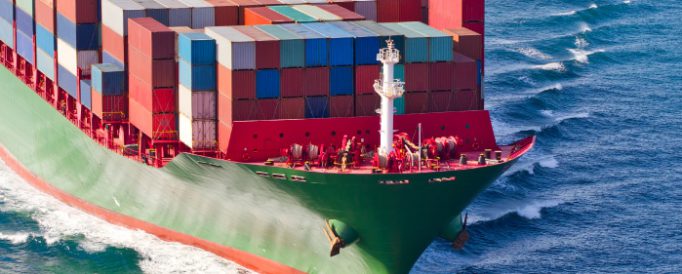
Maritime carriers and their representatives: to download data related to departing goods, so that they can correctly present the Inward and outward Cargo Manifest in a completely automatic way.
-
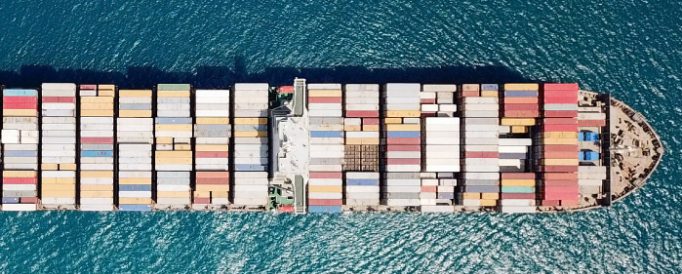
Freight Forwarders: to interactively present customs declarations and electronic loading requests, once customs clearance has been obtained. The Freight Forwarders can control the "gate-in status" of their containers, accessing the "VGM function".
-
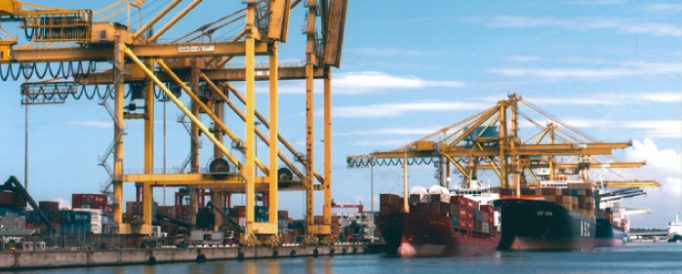
Port Terminal: to securely plan and carry out authorized unloading operations and the subsequent containers release, as well as the gate-in operations and the subsequent loading operations.
-

Institutional Bodies: to monitor and control both import/export processes (and the freight handled).
-

Carriers: to check the status of a lot of goods to be collected, printing the single document required to the container release (DVRC). In addition, they can sent to terminals the containers’ weights, through the "VGM" function.
-

Shippers and Weighing nodes: to send the verified gross mass (VGM) associated to containers in export, in order to create electronic weigh certificate using the "VGM" function.
How does it work
Integration and simplification
- Import Area
- Export Area
- Sud Area